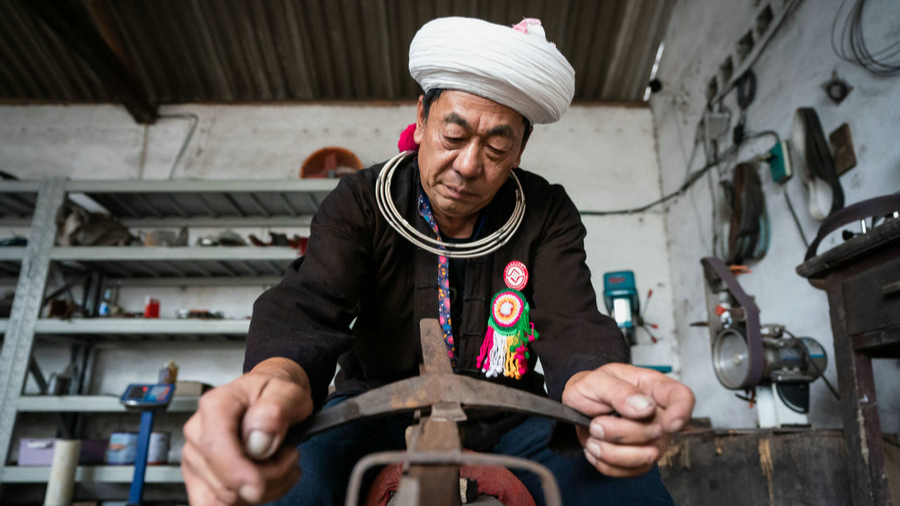
Achang Ethnic Group
Introduction
The Achang ethnic group is one of the 56 officially recognized ethnic groups in China, predominantly residing in the southwestern regions of the country. They are primarily located in Yunnan province, particularly in the Dehong Dai and Jingpo autonomous prefecture. The Achang people have a rich cultural heritage that is reflected in their language, traditions, and crafts. Despite their relatively small population compared to other ethnic groups in China, the Achang have maintained their distinct cultural identity through the preservation of their traditional practices, crafts, and festivals.
History
Origin and Migration
The Achang ethnic group is believed to have originated from the Tibeto-Burman language family, sharing ancient ties with other ethnic groups in the region. The historical migration patterns of the Achang are closely linked to the movement of ethnic groups in the Yunnan province and surrounding areas. Over the centuries, the Achang people have settled in various parts of southwestern China, gradually establishing their communities and cultural practices in the region.
Historical Development
Throughout history, the Achang have been known for their skills in agriculture, craftsmanship, and trade. They have played a significant role in the regional economy, particularly through their expertise in metalworking and handicrafts. The development of these skills has been influenced by their interactions with neighboring ethnic groups and the diverse cultural milieu of Yunnan. Over time, the Achang have adapted to social and economic changes while preserving their traditional customs and practices.
Culture
Language and Literature
The Achang language is part of the Tibeto-Burman language family, with several dialects spoken within the ethnic group. While the language has been influenced by neighboring ethnic groups, the Achang have maintained their linguistic heritage through oral traditions and storytelling. Traditional Achang literature includes folktales, myths, and legends that have been passed down through generations, enriching the cultural landscape of the community.
Traditional Clothing
Traditional Achang clothing is characterized by its vibrant colors and intricate designs. The attire is often adorned with embroidery and is crafted from locally sourced materials. Both men and women have distinct traditional garments that are worn during festivals and special occasions. The clothing reflects the cultural aesthetics and artistic skills of the Achang people, making it an essential aspect of their cultural identity.
Festivals and Celebrations
Festivals and celebrations play a significant role in the cultural life of the Achang ethnic group. These events are opportunities for the community to come together, celebrate their heritage, and engage in traditional activities. Some of the prominent celebrations include the Achang New Year, where rituals, dance, and music are central to the festivities. These festivals not only serve as a means to preserve cultural practices but also strengthen social bonds within the community.
Craft
The Achang are renowned for their craftsmanship, particularly in metalworking. The Husa knife, a notable example of their skill, is a national intangible cultural heritage with a history of over 600 years. Originating from Husa Township in Longchuan county, Yunnan province, the Husa knife is crafted using traditional techniques such as forging, quenching, and sharpening. Artisans like Xiang Laosai have dedicated their lives to mastering and preserving these techniques, contributing to the cultural legacy of the Achang ethnic group. This craftsmanship is not only a source of economic livelihood but also a cultural treasure that is passed down through generations.
Economy
Agriculture
Agriculture is a fundamental aspect of the Achang ethnic group's economy. The fertile lands of Yunnan province provide an ideal environment for cultivating various crops. The Achang are adept at farming, growing rice, wheat, corn, and other staple crops, which form the basis of their diet and livelihood. Traditional farming techniques are still employed, with a focus on sustainable practices that ensure the fertility of the land for future generations.
Handicrafts
In addition to agriculture, handicrafts are a significant economic activity for the Achang people. The craftsmanship of the Husa knife, as well as other metalwork and textile products, contributes to the economic well-being of the community. These handicrafts are not only sold locally but also attract interest from collectors and cultural enthusiasts globally. The blending of traditional techniques with modern innovations has allowed the Achang to remain competitive in the handicraft market.
Modern Developments
In recent years, the Achang ethnic group has experienced various modern developments that have impacted their traditional way of life. Efforts have been made to improve infrastructure, education, and healthcare in Achang communities, contributing to an enhanced quality of life. Additionally, there has been a growing interest in preserving and promoting Achang culture through cultural tourism and heritage projects. These developments aim to balance modernization with the preservation of cultural identity, ensuring that the Achang continue to thrive in a rapidly changing world.








